Plots in Zamora - buy, sell or rent easily

Find plots by category in Zamora (Province)


Plots for sale with most wanted features


Latest publications of land and houses for sale in Zamora (Province)


 +1
+1
 +1
+1


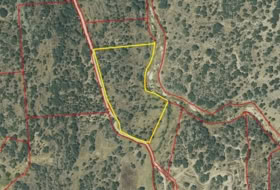


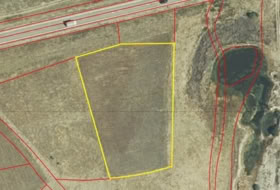
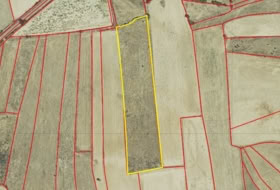
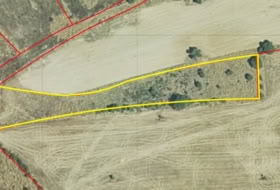
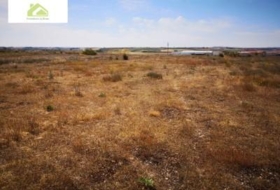
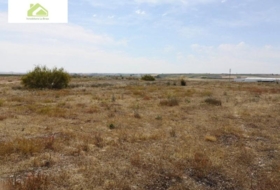
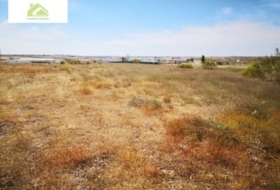
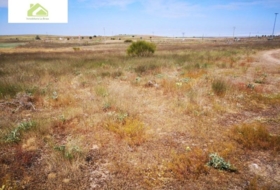
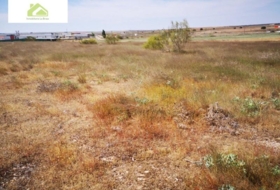
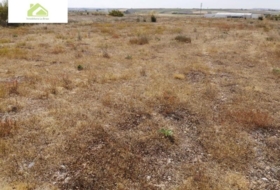

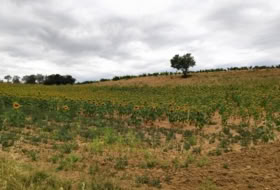
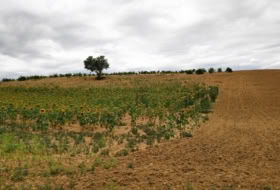
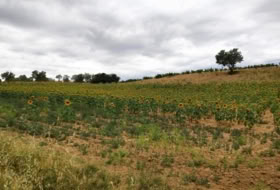
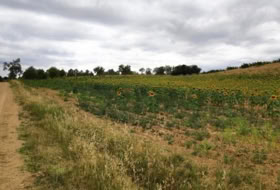
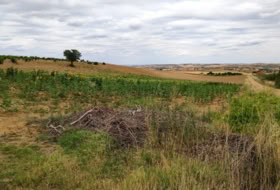
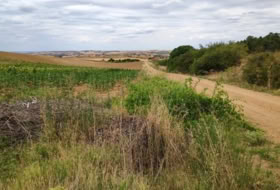
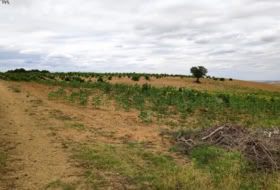
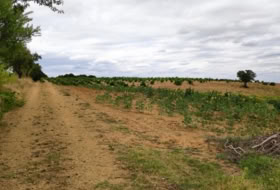
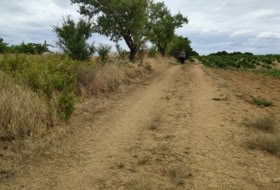
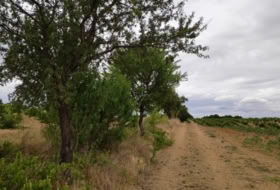
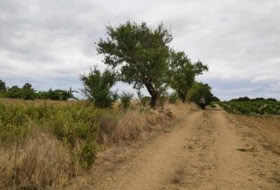
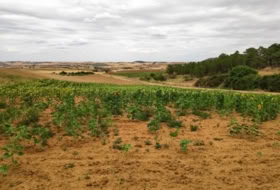
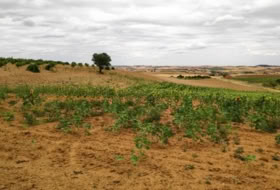
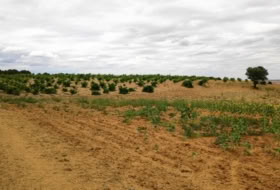
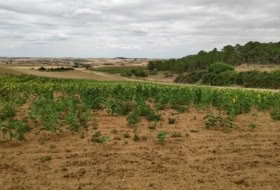
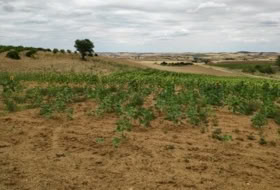
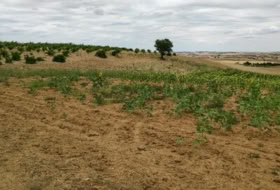
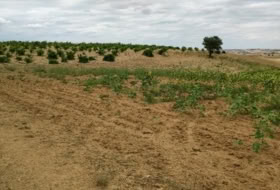
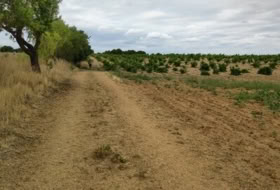
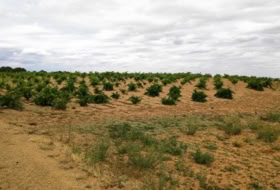

Where to buy land in Zamora
Zamora is one of the provinces of Castilla y León with the lowest average value of urban land, with a figure that slightly exceeds €40/m². The most expensive urban lots are in Tagarabuena, Benavente, Algodre, Montamarta and San Juanico el Nuevo. Developable land experiences a similar situation, as it is concentrated in the main cities.
Meanwhile, the cheapest land for sale in Zamora is in the capital, with €0.60/m²; Casaseca de las Chanas, with €1.50/m²; Sayago Cabins, with €1.90/m²; and Peleas de Arriba and Molacillos, with €2.50/m². This is due to many rustic properties available and the lack of demand for them.
A land of contrasts
The province of Zamora belongs to Castilla y León and is one of the least populated in the country. It has an area of 10,559 km² and a population of 170,588 inhabitants, most of whom live in the capital. It is eminently agricultural land that gives rise to high-quality products with various Denominations of Origin.
The continental Mediterranean climate predominates here, with high temperatures in summer and cold winters with little rain. The region of Sanabria suffers from the Atlantic influence, in which there is a lot of precipitation, mostly in the form of snow; in the higher altitude areas, the mountain climate is appreciated.
In its territory, full of contrasts and structured by the Duero and Esla rivers, we find mountainous systems, large plains, and fertile plains, where natural lakes and reservoirs prevail (Almendra in the Tormes and Ricobayo in the Esla) that take advantage of hydroelectric energy and regulate the hydrological network.
The Lago de Sanabria Natural Park contains the largest lake of glacial origin in the Iberian Peninsula, while the Lagunas de Villafáfila Nature Reserve is a wintering refuge for European migratory birds, such as great bustards and geese. Also noteworthy is the Iberian Plateau Biosphere Reserve or the protected areas with a special hunting regime in the Culebra and Cabrera mountains, where wolves, deer, roe deer and wild boar can be seen.
It has a forest area that occupies approximately 23% of the territory. In its forests, we can find bushes, oaks, holm oaks, pines (wild, black, and stone), firs, chestnuts, poplars and junipers. Like a great variety of mycological species, which are also cultivated in experimental plots, which has given rise to the Castilla y León Mushroom Guarantee Mark.
The economy is based on the primary and tertiary sectors
Agriculture and livestock are carried out in balance with the natural environment. It is an agricultural province and has more than 252,000 hectares of agricultural land. Arable lands occupy about 40% of the total, while meadows and pastures 8%.
In its southernmost lands, the vine is cultivated, which gives rise to the wines of the Denomination of Origin Tierra del Vino de Zamora, Vino de Los Arribes, Vino de Toro and Vino de Los Valles de Benavente. On the other hand, in the north, the cultivation of cereals stands out -wheat, barley, corn, rye, triticale and sorghum- (more than 167,000 hectares) which gives rise to the Land of Bread Denomination and the Zamora Traditional Flour Guarantee Mark.
With less importance in terms of the extension of the crops, the industrial ones are developed (almost 36,000 hectares) such as sunflower, rapeseed, sugar beet and soybean. As well as forage (more than 32,000 hectares) among which alfalfa, vetch and corn stand out. In addition, legumes are grown (dried peas, vetch, chickpeas-IGP Garbanzo de Fuentesaúco-, yeros, lentils, dried beans, and sweet lupine), tubers and vegetables (green peas, garlic, onion, carrot, pumpkin, melon, pepper-IGP Benavente pepper-, asparagus, watermelon, spinach, zucchini, tomato and others). As well as fruit trees and olive groves.
A quality farm
In Zamora, sheep farming of the Castilian, Churra and Assaf breeds is carried out. The three autochthonous breeds (the Alistana-Sanabresa and Sayaguesa bobbins and the Zamorano-Leonesa donkey) are in danger of extinction and their integration into ecological systems is encouraged.
As for the goat, there is the breed of the Mesetas Group, which helps to conserve and maintain the mountains and mountains. It is exploited in non-technician semi-extensive systems, with herds of around 300 heads.
These productions give rise to articles of great quality recognized as the D.O. Zamorano Cheese, the Aliste Beef Quality Mark, the Zamorano Chorizo Guarantee Mark and the Protected Geographical Indication of Suckling Lamb from Castilla y León.
The land is an investment opportunity
In Zamora, thanks to its agricultural and livestock production, a quality agri-food industry have been developed, which exports its products (meat, cheese, milk, and wine) around the world.
The Provincial Council carries out various actions to promote economic progress, such as the creation of industrial estates (in Bermillo de Sayago, Alcañices, Tábara, San Cristóbal de Entreviñas and Camarzana de Tera) in which companies settle that generate employment and wealth in the area. Therefore, the value of industrial land is subject to the advantages offered by the administration.
The province of Zamora, being practically rural, has a large amount of agricultural and forest land, which can be purchased for a cheap value. Industrial land is also affordable and is a good opportunity to create new projects, such as those that are being launched, related to renewable and sustainable energies. Like urban land, which has been on a downward trend for some years.